
Which beauty equipment
suits your professional needs?
Beauty equipment is one of the key tools used by professional beauty businesses.
Using the equipment also relies on your skills, knowledge and professional judgement.
The right equipment can expand your service menu, support a wider range of care needs and help you work more precisely.
Transdermal electroporation technology
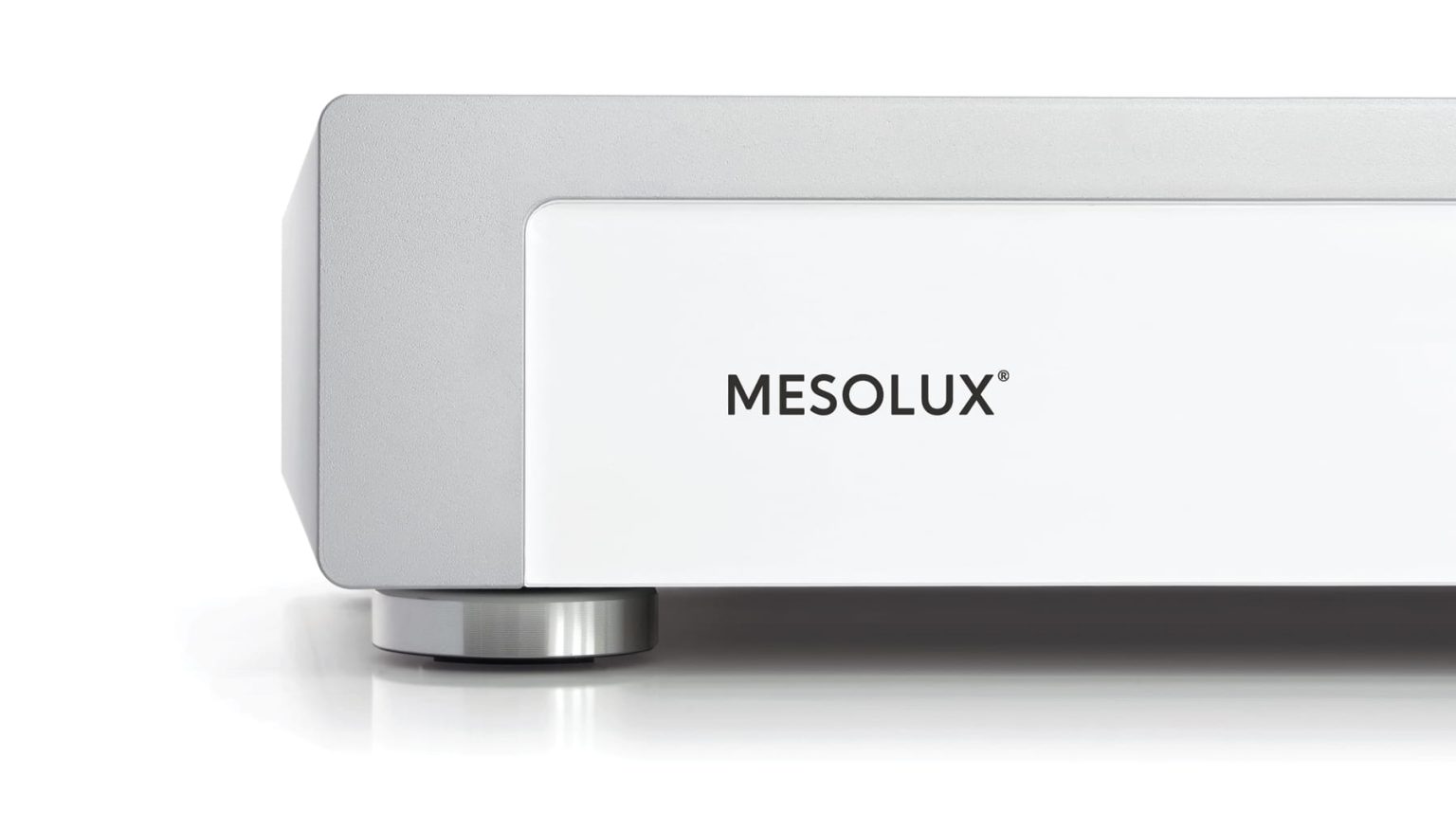
Light and ingredient delivery, working in harmony
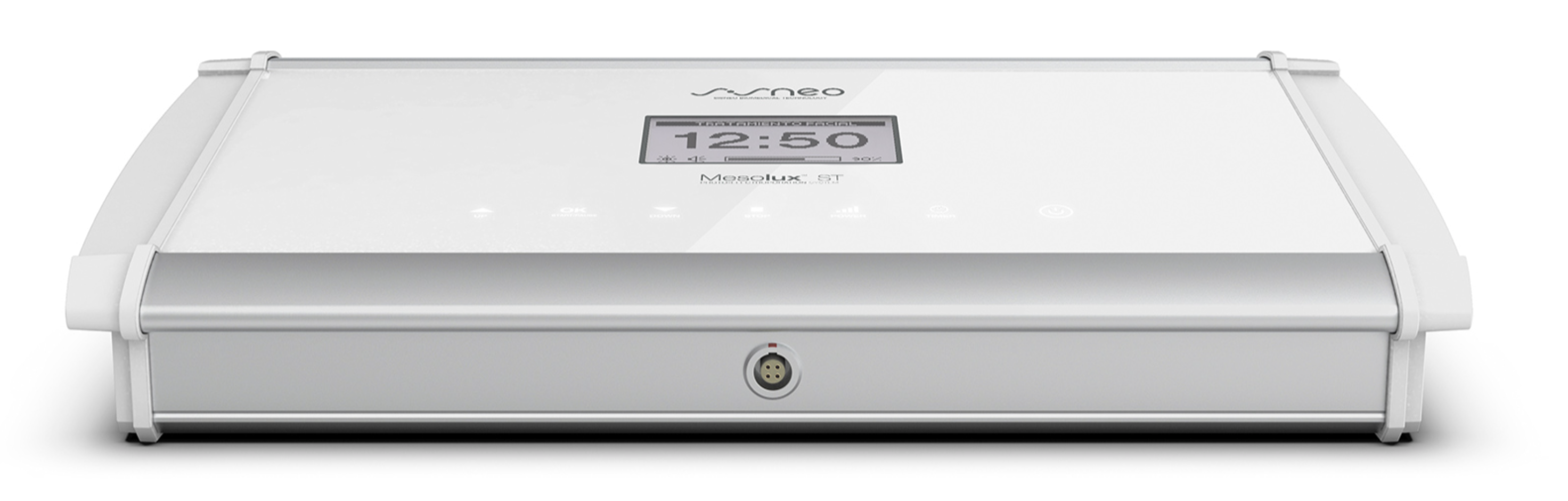
MesoLux Pro combines electroporation technology with light-based care, supporting professional facial, body and scalp care.
Explore electroporation equipment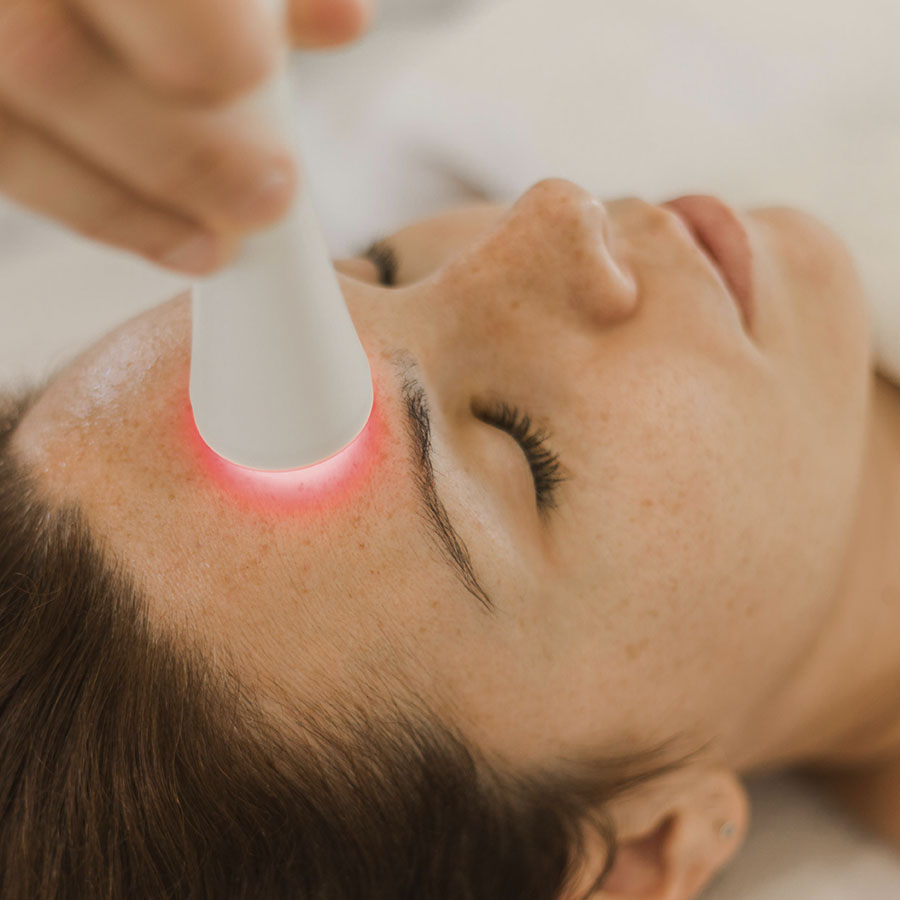
ReviCell Pro brings warmth to attentive skin care

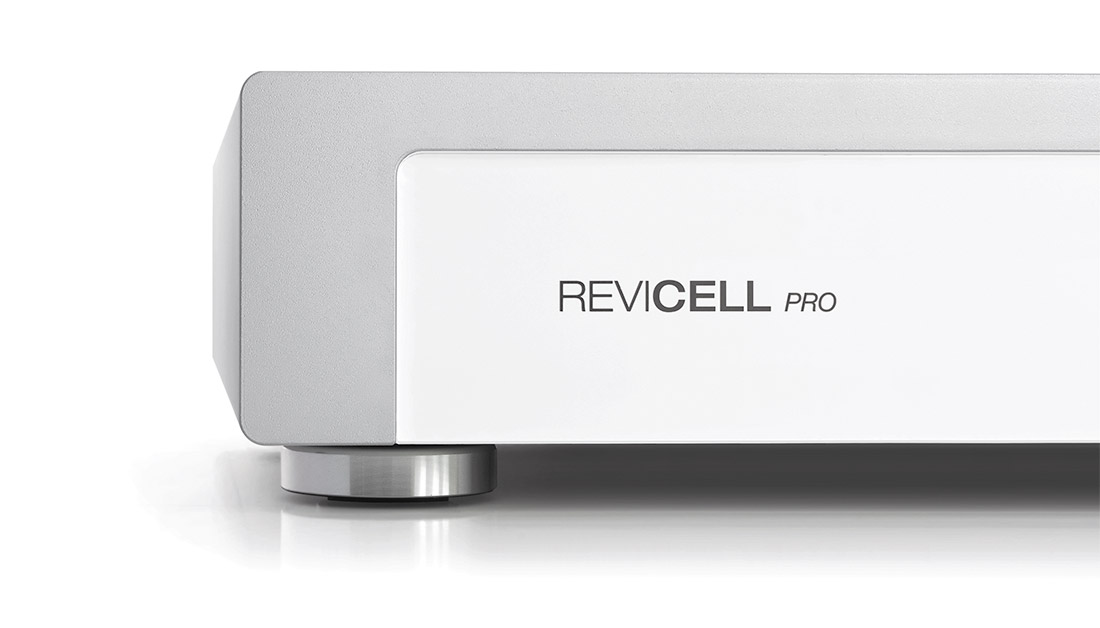
Facial and body care
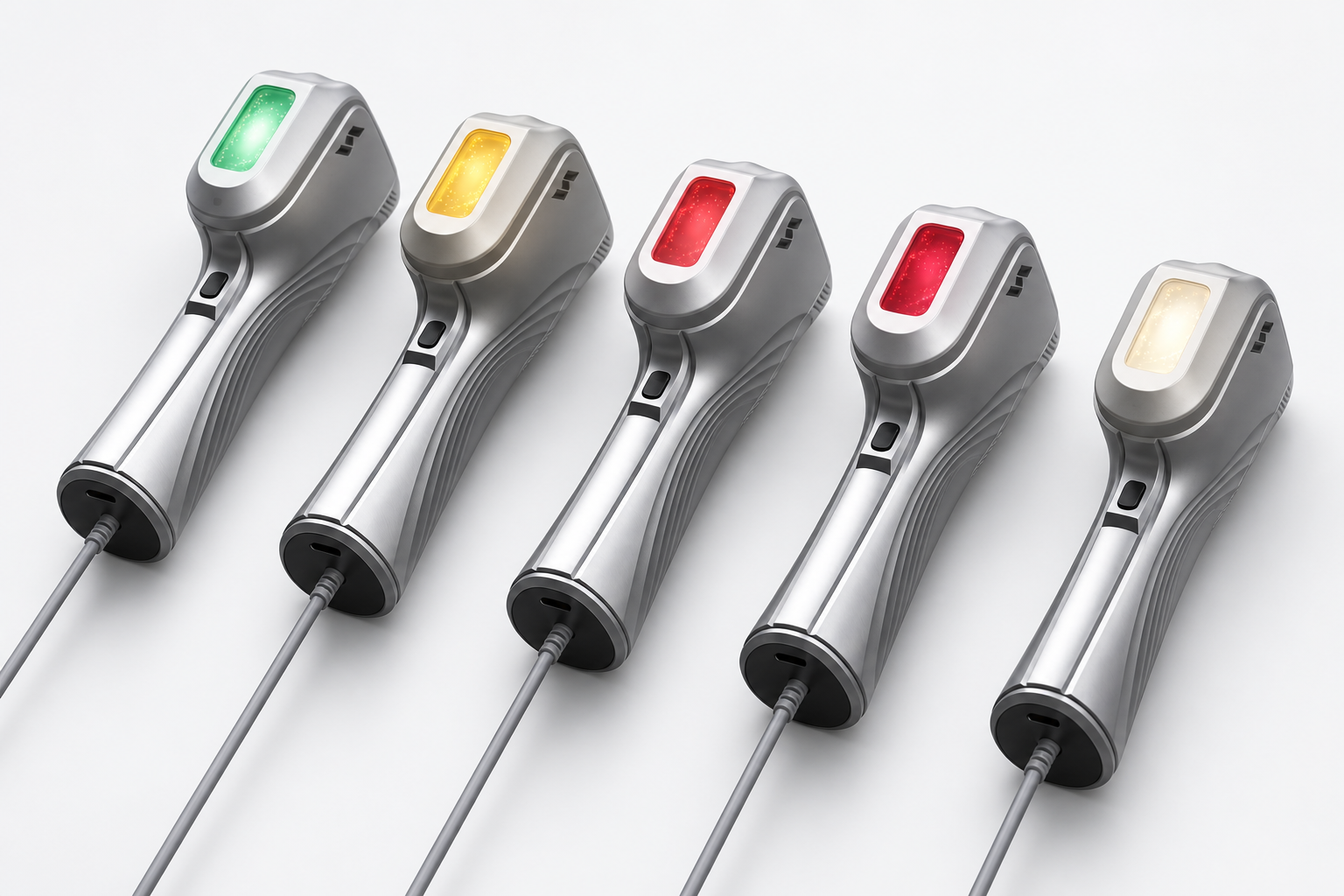
ReviCell Pro addresses professional care needs across different areas, using a range of handpieces to support flexible facial and body care protocols.
Explore radiofrequency equipment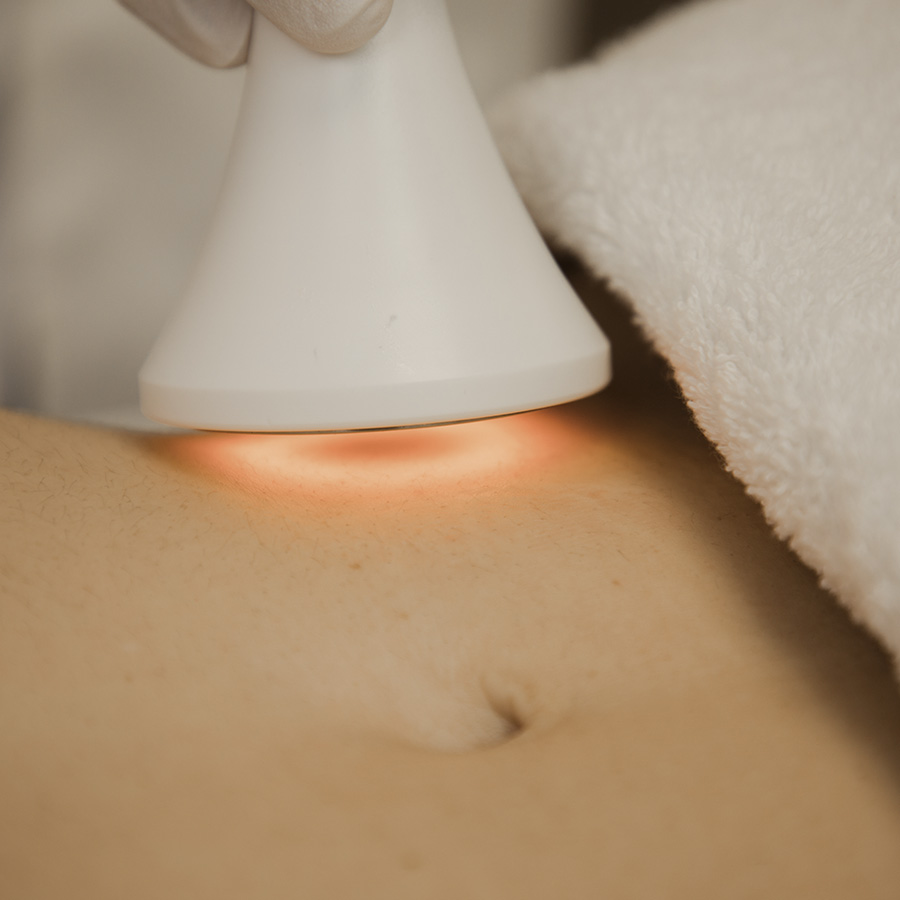
Acoustic flow system

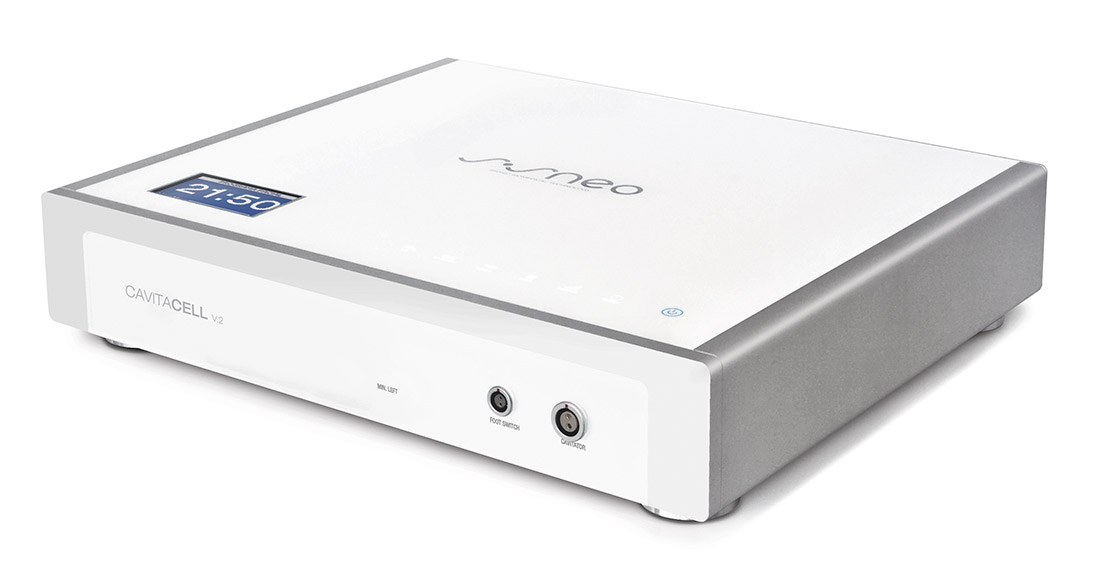
Professional body care protocols
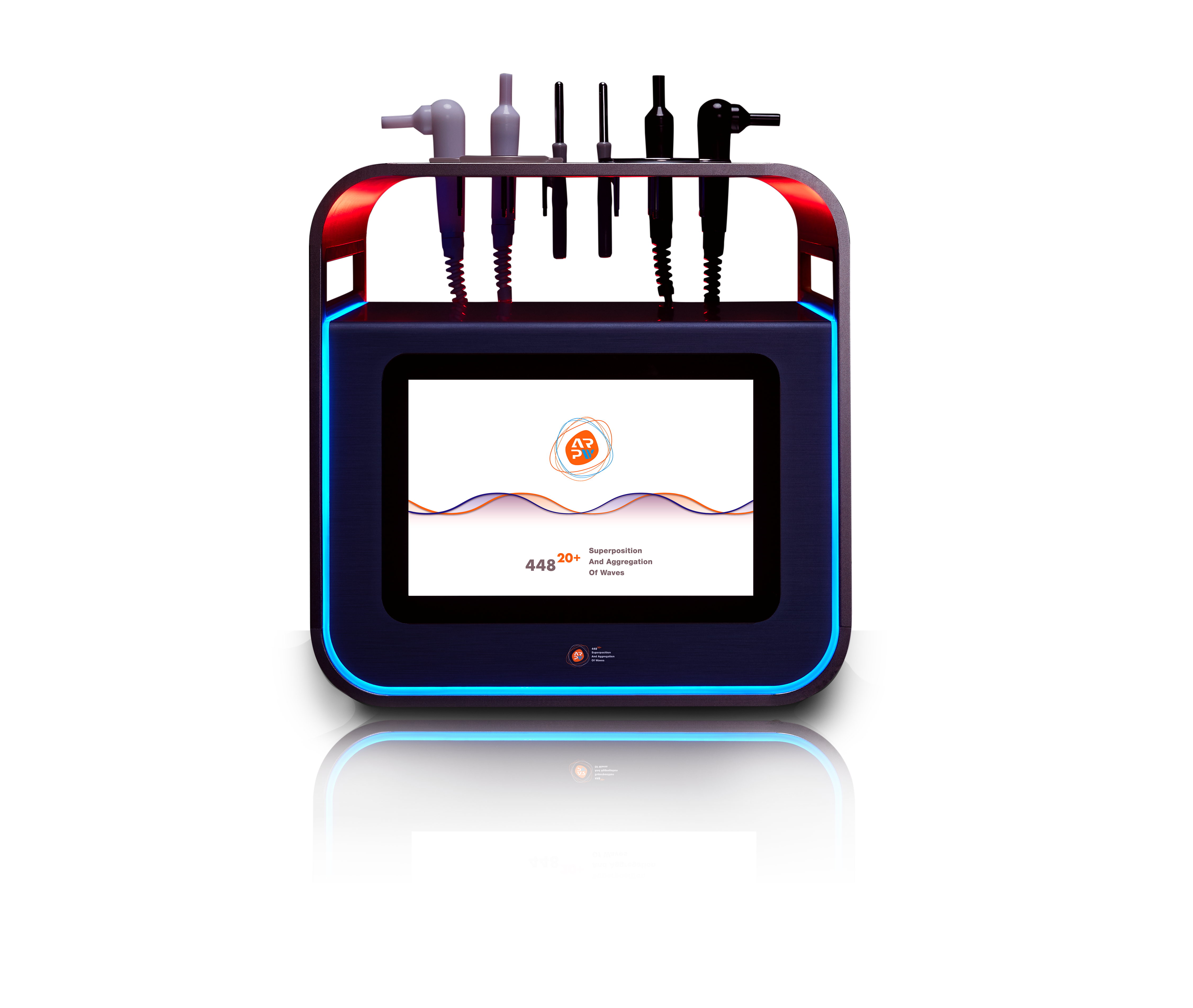
CavitaCell V2 brings ultrasound technology to professional body care, with more targeted options tailored to individual needs and the pace of each session.
Explore ultrasound equipment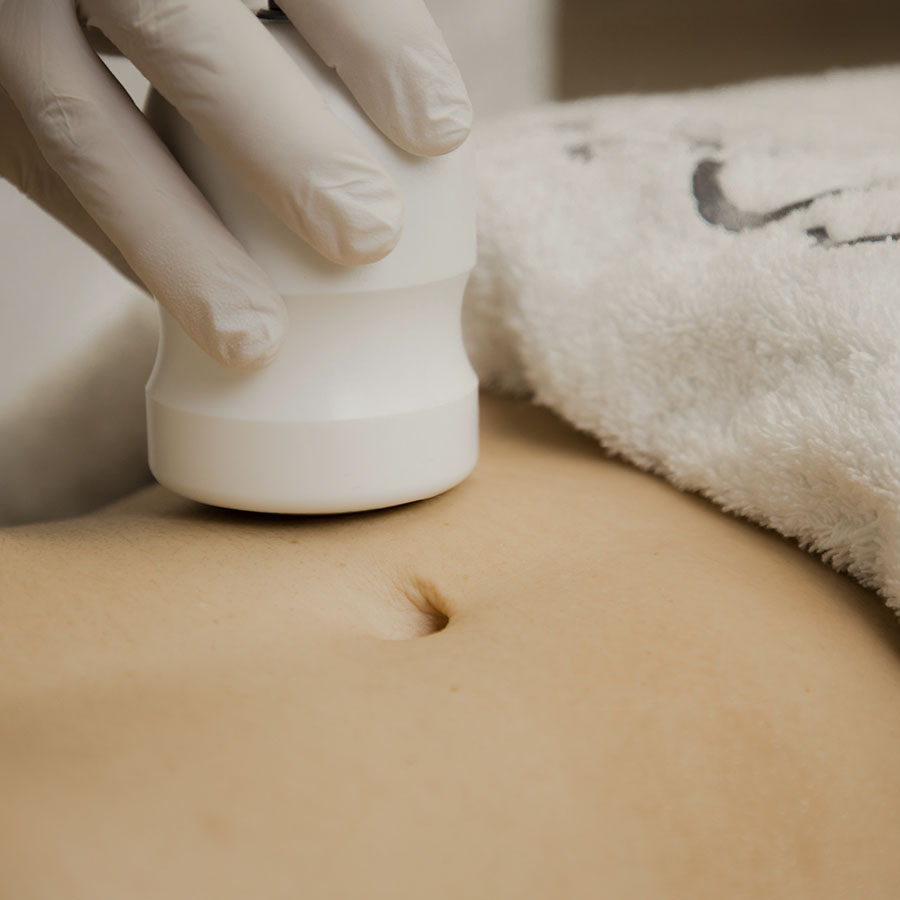
Care with complementary technologies
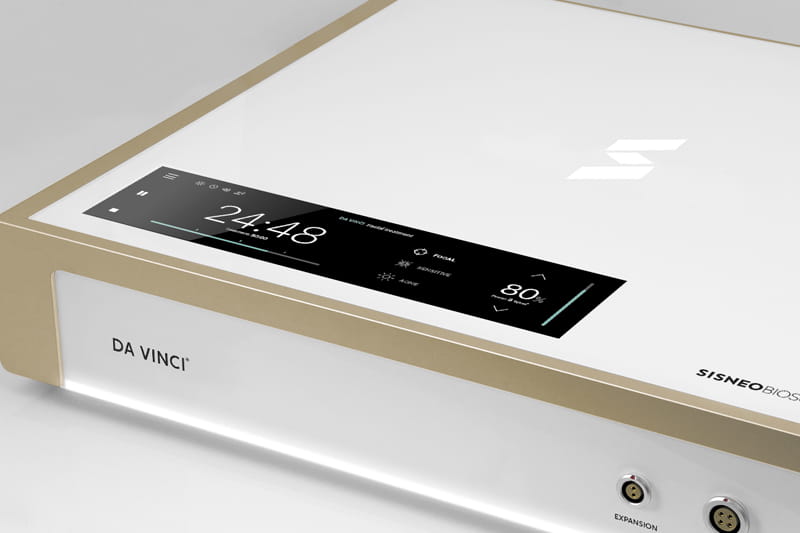
Precise care, complementary technologies
Da Vinci combines multipolar technology, active ingredient delivery and professional equipment, giving practitioners more creative scope for detailed skin care.
Coming soon · Preparing for launch
Discover Da Vinci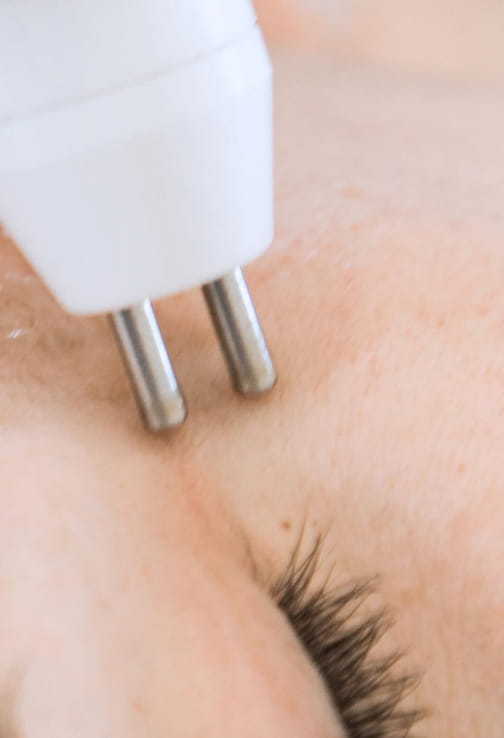
What is beauty equipment?
Beauty equipment is technology designed for professional beauty care. Devices differ in their technologies and applications, and should be selected to suit specific care needs.
What types of beauty equipment are available?
Common types include electroporation, radiofrequency and ultrasound equipment. Explore the devices and handpieces suited to facial, body or scalp care.
What distinguishes SISNEO beauty equipment?
SISNEO focuses on how devices, handpieces and professional workflows work together, offering a range of options for different care services.
How do I choose the right beauty equipment?
Start with your salon's care services, working environment and practitioners' needs, then consider the equipment's applications, training and after-sales support.